Chicago, IL (CAPITOL NEWS ILLINOIS) — Amid warnings of impending energy shortages, Gov. JB Pritzker on Thursday signed a wide-ranging energy reform package into law aimed at bolstering the state’s power grids after years of negotiations.
Senate Bill 25 — also known as the Clean and Reliable Grid Affordability Act, or CRGA — will fund battery storage, grant greater authority to state utility regulators, create new options for “virtual power plants” and lift a longtime ban on new large-scale nuclear power plants.
“We’re making it easier to develop renewable energy,” bill sponsor Sen. Bill Cunningham, D-Chicago, said at the signing ceremony in Joliet. “We’re going to deploy battery storage; we’re lifting the nuclear moratorium. That’s all going to bring more supply onto the grid, and that will help hold the line on our electrical bills.”
The Illinois Power Agency, an independent body responsible for planning and procuring cost-effective energy for Illinoisians, found that the law will save utility customers in the state $13.4 billion over the next two decades. But opponents question those projections, pointing to increased subsidies for battery storage that will eventually be reflected via a new charge on consumers’ bills beginning in 2030.
The bill signing took place less than a month after state regulators projected energy shortfalls would likely drive up costs in the next three to five years and force Illinois to import more power from out of state absent action from lawmakers and grid operators.
Shortfalls, Pritzker said, would be exacerbated by actions at the national level, including the Trump administration’s passage of the One Big Beautiful Bill Act, which phased out renewable energy tax credits and froze federal funding for energy projects. He also criticized a Trump executive order that stripped funding for the Inflation Reduction Act, a major renewable energy law passed by Congress in 2022.
“All of that raises prices in the short term, while threatening our long-term ability to meet growing electricity demand,” Pritzker said.
CRGA, he said, will allow Illinois to forge its own path.
What’s in the law?
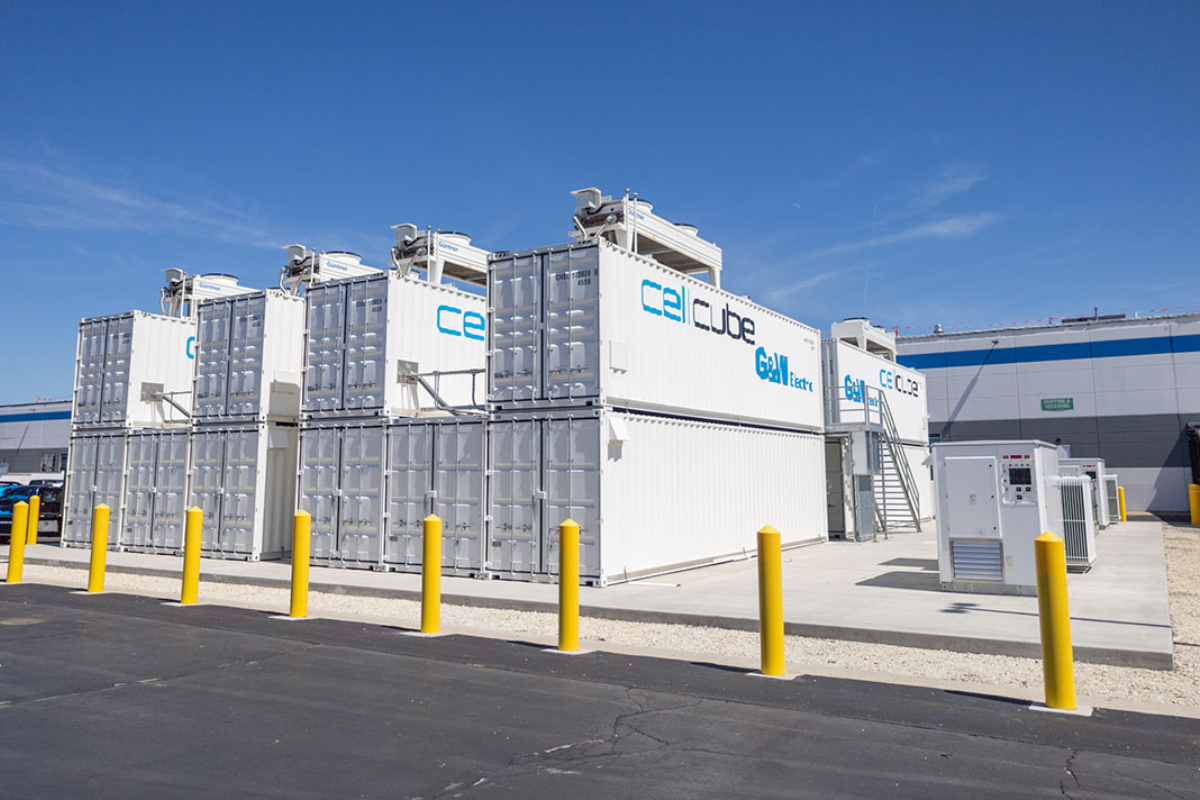
At the core of the law is a new structure to incentivize energy storage, or battery, projects. It will result in new charges to ratepayers, though supporters of the bill say that those costs would be offset by cost savings from greater energy efficiency, storage and planning.
The law grants new authority to the Illinois Commerce Commission, the state body responsible for regulating utilities. The ICC will now have the power to set long-term plans for managing energy supply and demand in the state through approval of an integrated resource plan.
It additionally adds new requirements for energy efficiency programs at electric and natural gas utilities and places new air regulations on backup generators used by data centers.
It also secures new labor protections by closing a loophole for community solar projects that has allowed some developers to avoid hiring union labor, a major priority for organized labor groups involved in negotiating the bill.
CRGA also lifts a longstanding ban on constructing new large-scale nuclear power plants, while at the same time increasing fees for nuclear plant operators. It outlines new programs for geothermal and thermal energy network projects, using naturally occurring heat from underground and transferring it via water-filled pipes to offset the need for electric or fossil fuel heating.
The law also creates new “virtual power plant,” or VPP, programs. That’s not virtual as in occurring via the internet or virtual reality, but rather as a program that allows homes and businesses with solar panels or wind turbines to pool energy together, acting “virtually” like a power plant despite not physically existing as one.
The idea is that the energy stored in residential and business batteries can be contributed to the electrical grid when the state’s primary electric delivery companies, like ComEd and Ameren Illinois, face high supply prices during peak hours of use, especially during the summer.
Homes and businesses who contribute energy to the grid via VPPs will be paid for their energy. The law also mandates that electric utilities offer optional “time-of-use” pricing, allowing customers to save money by using less energy during periods of high demand.
ComEd already offers time-of-use pricing, as approved in an ICC ruling in January 2025, but CRGA enshrines the requirement for both Ameren and ComEd into law.
Path to passage
The legislation passed during the legislature’s veto session in late October with support from environmental, labor and utility oversight advocates. Business groups and Republicans criticized the bill for its reliance on a new ratepayer charge to fund new battery storage and for yielding what they said was too much power to the ICC.
“Senate Bill 25 is a guaranteed rate increase that does nothing to increase energy production,” Rep. C.D. Davidsmeyer, R-Murrayville, said in a statement released after the signing, calling battery storage an “unproven” strategy.
Rep. Norine Hammond, R-Macomb, also denounced energy sources like wind and solar as unreliable in a statement, saying that the state “should focus on preserving reliable energy sources like coal, natural gas, and nuclear power that actually work when the wind isn’t blowing and the sun isn’t shining.”
Supporters, though, say that ratepayer charges will be offset with savings from increased energy supply and grid reliability. They argue the investment in battery systems allows the state to store extra energy generated on bright sunny days or windy days and deploy it at night and when other energy supply is low.
Sarah Moskowitz, executive director of Citizens Utility Board and champion of the bill, said CRJA was the state’s response to market signals sent by regional grid operators.
“To me, CRGA is really about us here in Illinois, together as a state, deploying the tools we have here at our disposal to defend the promise of clean and affordable power for Illinois,” Moskowitz said.
Organized labor advocates also supported the bill, which is expected to generate up to 100,000 jobs according to statements from multiple House Democrats. AFL-CIO Secretary Treasurer Pat Devaney and LiveWire Construction CEO Shon Harris joined Pritzker on stage at the signing ceremony.
“By expanding access to pre-apprentice programs, lowering thresholds for project labor agreements, ensuring that wind, solar and thermal energy projects are built by skilled Illinois workers, this bill clearly says the future of clean energy in Illinois will be union built,” Devaney said.
The bill prioritizes grants to historically underserved contractors and projects in communities that would most benefit from investments to combat discrimination. Harris said that legislation keeps the doors open for businesses like his.
“CRGA ensures equity remains a part of Illinois’ clean energy future,” Harris said. “That means that companies like mine can keep building projects, training workers and creating good-paying jobs all across Illinois.”
Capitol News Illinois is a nonprofit, nonpartisan news service that distributes state government coverage to hundreds of news outlets statewide. It is funded primarily by the Illinois Press Foundation and the Robert R. McCormick Foundation.